By macro-area
More cross-cutting ideas
More clearly identified thematic proposals
By macro-area

Digital
Session: Digital: AI, Data, and Quantum Computing
The most cross-cutting macro-area. It cuts across almost all the other areas: data, applied AI, and digital literacy.
Proposals: Train the workforce to use and generate knowledge in these areas; engage the business sector as a user, an R&D actor, and a participant in new supply chains; and advance the scientific frontier in emerging fields (quantumcomputing software , bio-inspired computing, and AI).
Portugal's competitive advantage: Potential for scientific leadership in new computational paradigms.
Health
Sessions: AI and Digital Health; Clinical Research Priorities for Innovation; Longevity, Public Health, and Mental Health
Proposals: Invest in the interoperability of clinical data, ensuring data sovereignty, quality, and curation, and the use of real-world data; establish independent governance for clinical research based on coordination among AI², AICIB, the Ministry of Health, DGS, INFARMED, ULS, and SPMS; a single entry point (portal) for clinical studies; a national fund for clinical research; funding instruments and calls tailored to applied medical research, with larger-scale projects (IHI model); training for professionals and patients; infrastructure for responsible AI; and the continuation of test beds.
Portugal’s competitive advantage: the universal National Health Service (SNS) as a source of data and a clinical living lab serving research and public health.


Land, Agriculture, and the Environment
Sessions: Agriculture, Agri-Food, and Bioeconomy; Land and Biodiversity; Oceans; Soil, Water, and Climate; Forests and Fire
The most cohesive macro-area and the one most firmly rooted in sustainability.
Proposals:
For the Oceans theme: Long-term schedule for the Ocean;
For the other themes: A centralized open-data model, ensuring interoperability, continuity, and curation, combined with monitoring and early warning; aggregate existing infrastructures to avoid duplication; treat forests and the agri-food sector as strategic systems managed on the basis of scientific knowledge and fundamental to the sovereignty and management of the territory’s strategic resources (water, soil, communities); strategic investment in innovation to support climate adaptation and mitigation.
Portugal’s competitive advantage:
For the topic “Oceans”: The Atlantic Dimension and Ocean Leadership;
For other themes: Knowledge of resilience in the Mediterranean context; implementation in this Mediterranean context of the European Nature Restoration Law and the European Soil Monitoring Law; the interconnection between agriculture, forests, and territorial resilience; innovation already underway, driven by the need for climate adaptation and mitigation.
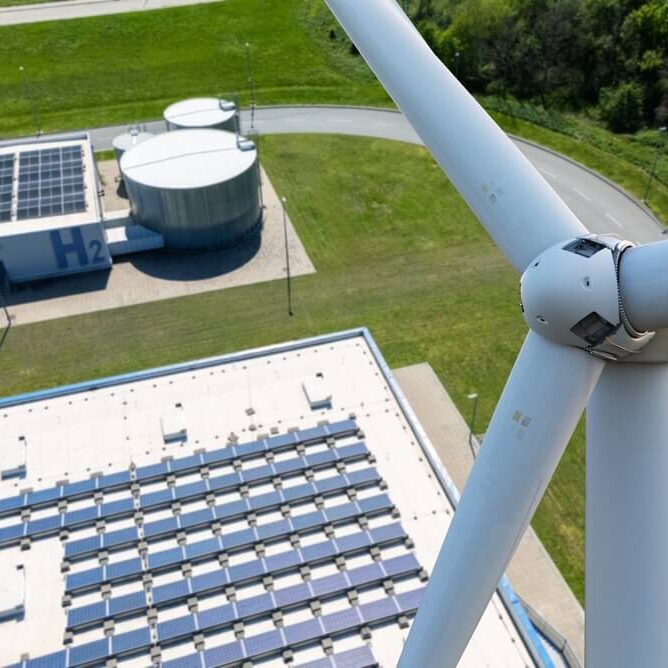
Industry and Energy
Sessions: Energy, Decarbonization, and the Circular Economy; Materials and the Industrial Bioeconomy; Mobility, Robotics, and Construction; Aerospace and Defense
Proposals:
For the Aerospace and Defense theme: A national strategy for aerospace and defense that leverages participation in major international scientific infrastructure projects (ESA, ESO, SKAO) and builds sovereign capacity in geospatial data and Earth observation.
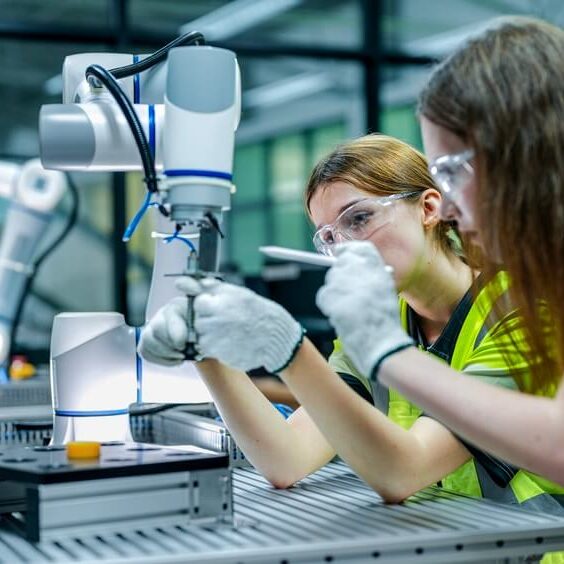
For other themes: Advanced Materials as a cross-cutting scientific field, with a distinct national definition focused on the substitution of critical raw materials, biomaterials, and circularity; a national strategy for robotics, intelligent systems, mobility, and digital construction, concentrated on niches with scientific and social relevance (secure software, maritime robotics, robotic construction, extreme environments); and a technological mix in the energy sector.
Portugal’s competitive advantage: A scientific foundation in materials, nanoscience, and polymers; natural resources for the circular bioeconomy; and a rapidly growing aerospace sector with a strong international scientific presence.

Society
Sessions: Education, Literacy, and Science Communication; Social Sciences and Humanities; Heritage, Democracy, and Tourism
Proposals: Funding, metrics, impact assessment, and evaluation models specific to the social sciences and humanities; strengthening R&I in democracy and information integrity; tourism and heritage as strategic scientific areas for the sustainability of regions and communities.
Portugal's competitive advantage: Unique heritage and culture; the importance of the tourism sector; the CPLP language and region; an established science communication community.
Science and Innovation Ecosystem
Sessions: Funding, Taxation, and Technology Transfer; Ecosystems, Science Policy, and Careers; From Thematic Areas to AI²’s Strategic Domains; International Partnerships for Excellence
Proposals: Restructure the interface and transfer network, with multi-year, mission-oriented funding for pilot tests, demonstrators, living labs, and sandboxes; address fragmentation; Thematic IRCs for innovation, tax incentives, and industry-academia chairs, as well as five-year academia-industry doctoral programs to allow for in-depth study in both dimensions; safeguarding fundamental research as an essential asset; periodic reassessment of strategic areas; streamlining legal procedures for large partnerships; a national strategy for internationalization and scientific diplomacy across all fields.
Portugal’s competitive advantage: Experience and existing infrastructure (Teaming and U.S. partnerships, CoLABs, technology parks, and SIFIDE) and a proven ability to raise funds and build critical mass.
More cross-cutting ideas
Scientific and Data Sovereignty
Federated data spaces and interoperability; personal, open, and ethical data as the foundation for knowledge and autonomy.
Long-term structural programs and infrastructure
Programs related to missions. Participation in major international scientific infrastructure projects. Enhancement of existing infrastructure.
New Paradigms for Sustainability
New cross-cutting, interdisciplinary, and transdisciplinary fields are emerging to ensure sovereignty and safeguard strategic resources. Promote narrative shifts grounded in scientific knowledge.
Restructuring of the interface network
and testing and demonstration infrastructure (living labs, sandboxes, pilot projects, and demonstrators) to accelerate the introduction of solutions into society and the market
Science in the Service of People and Democracy
Prevention and literacy to empower communities and minimize misinformation, and scientific literacy as a public good.
Reinventing the Scientific System
Stable and diversified funding to support curiosity-driven research, a budget for innovation in each sectoral ministry, a 5-year doctoral program (academic + industry) focused on impact, professionalization of careers in science management and science, technology, and innovation (GCTI), dynamic strategic areas reassessed by 2050, and a national portfolio for scientific internationalization