Priorities for Science and Innovation
Summary:
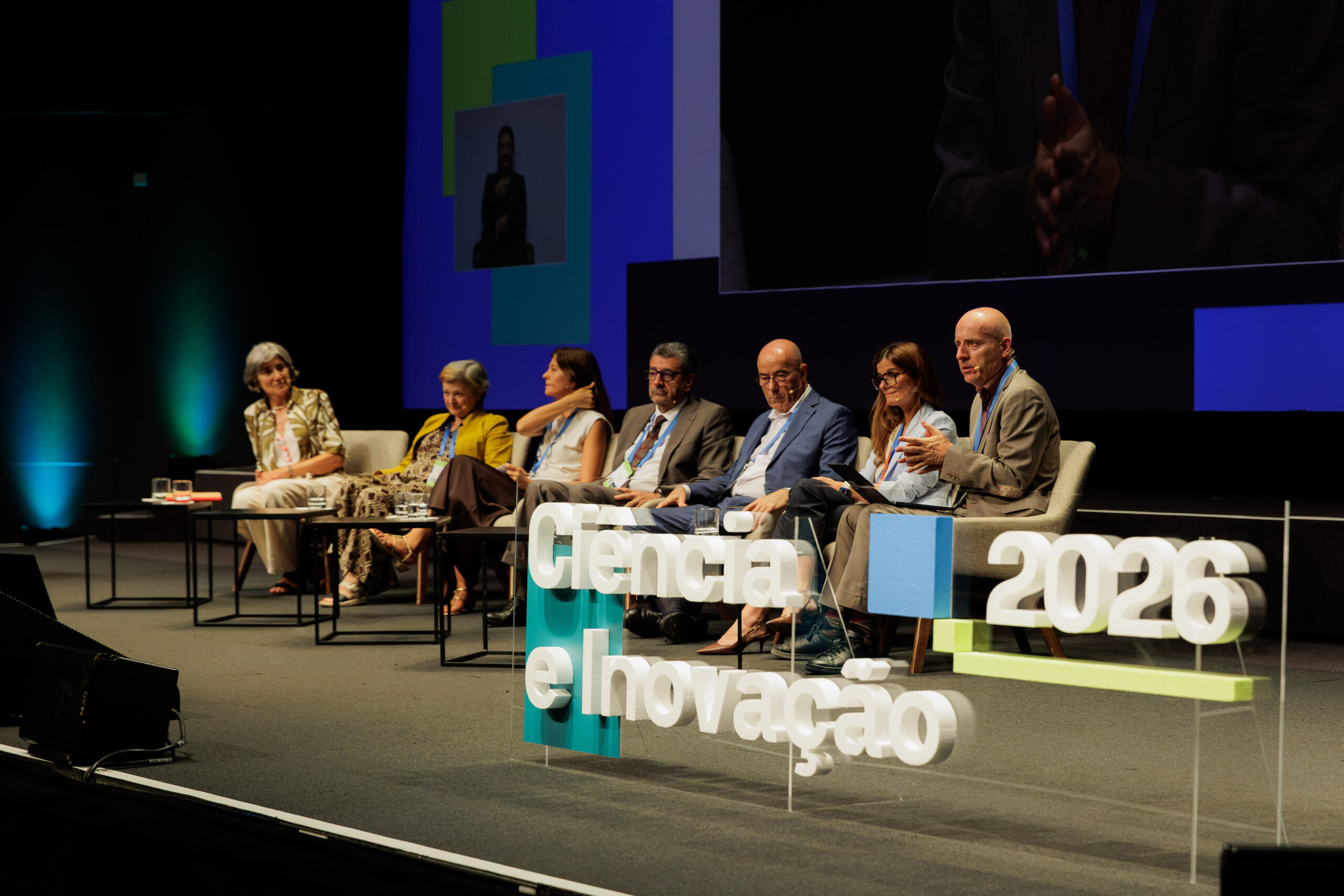
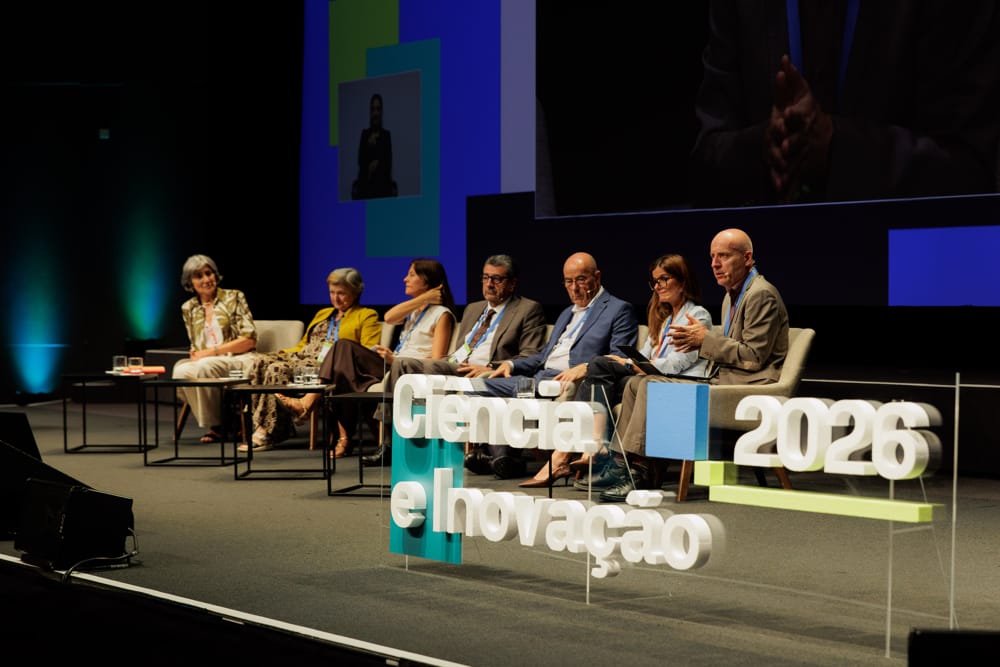
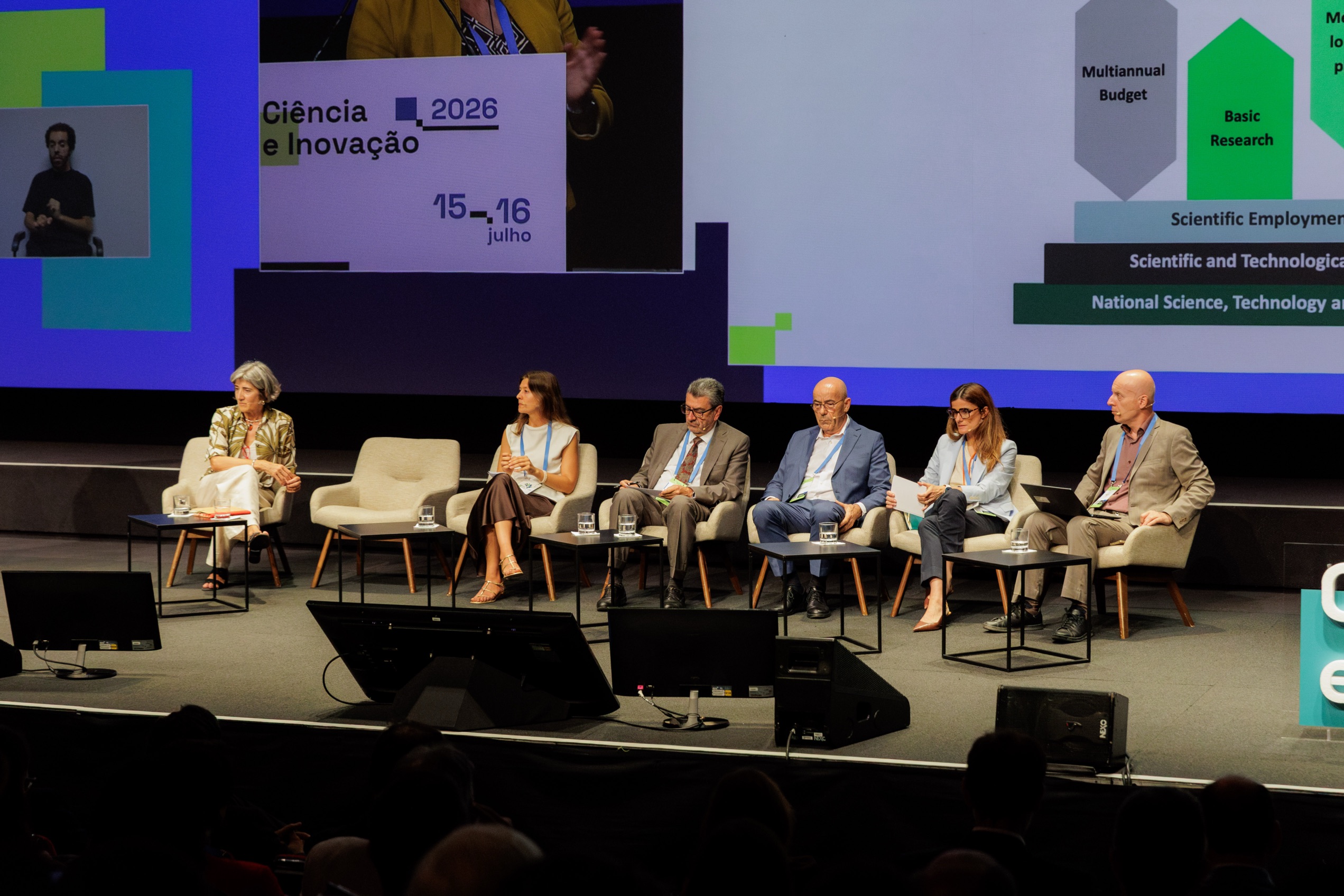
In this session, the broad discussion centered on the strategic assessment of priorities for research and innovation in Portugal, which is currently underway. The methodology being used follows best practices that have already been tested in leading countries and takes into account all stakeholders in the research and innovation ecosystem, along with their many interrelationships.
The following were identified:
i. The strategic pillars;
ii. The key themes;
iii. The evaluation criteria;
iv. The critical decision factors, which are: excellence in research; the link between research and innovation as a driver of development; organization and coordination of the research and innovation ecosystem; stable and diversified funding; and human resources and infrastructure. These constitute the Strategic Reference Framework.
The broad and multifaceted public consultation process is ongoing, and strategic areas will be identified in the next phase. Regional differentiation is crucial for maximizing the value of assets in each territory and is being taken into account.
It is important that strategic domains be managed as active portfolios, ensuring stable direction, flexible execution, clear leadership, and the protection of scientific freedom. Mechanisms to support the entire journey from research to application and scaling are crucial. And identifying strategic domains is the first phase of a long-term process. Ownership of the entire process and its results by all stakeholders in the research and innovation ecosystem is fundamental to the success of the decisions that are made.
From Science to Innovation and Impact – How Can We Accelerate Value Creation?
Summary:
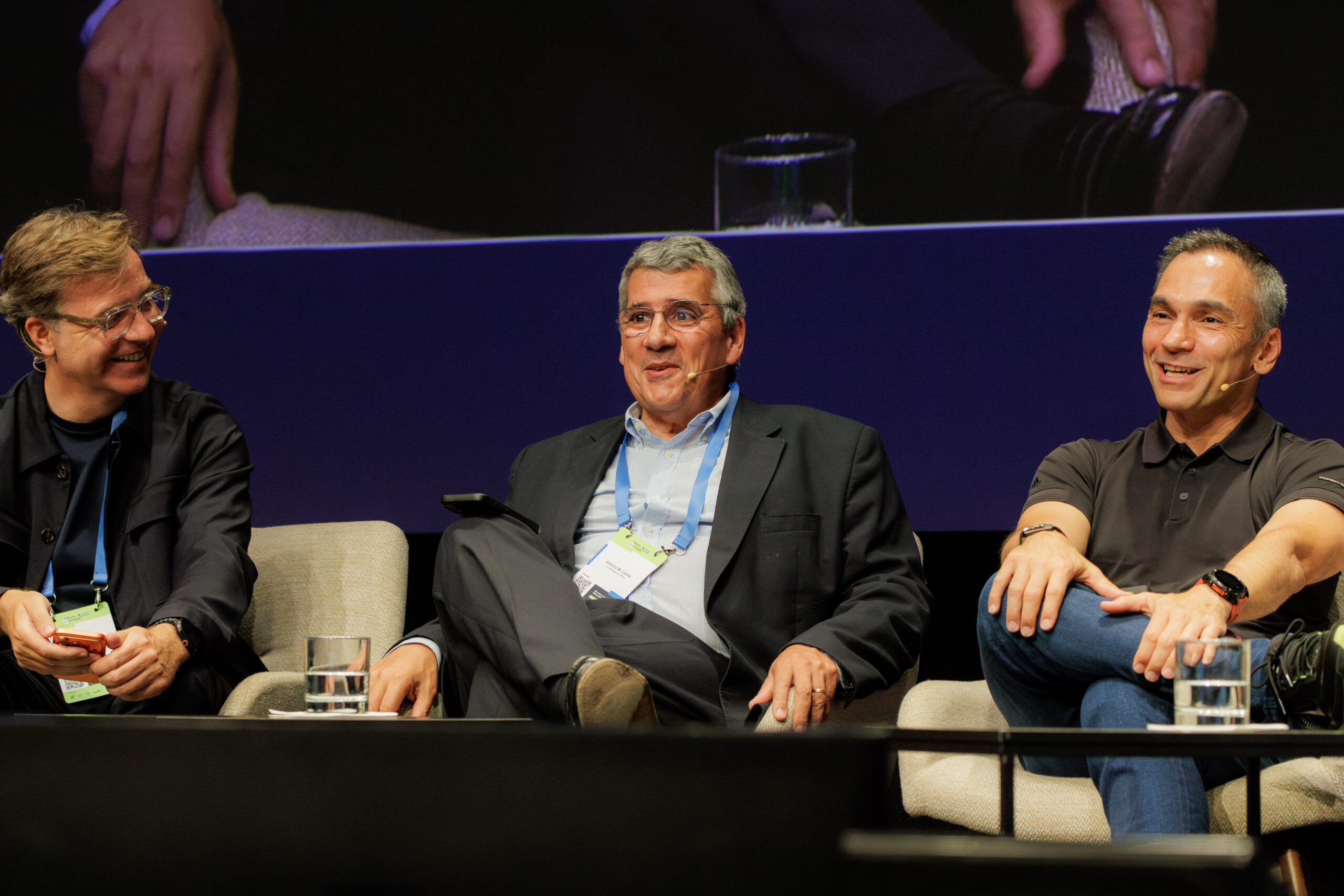
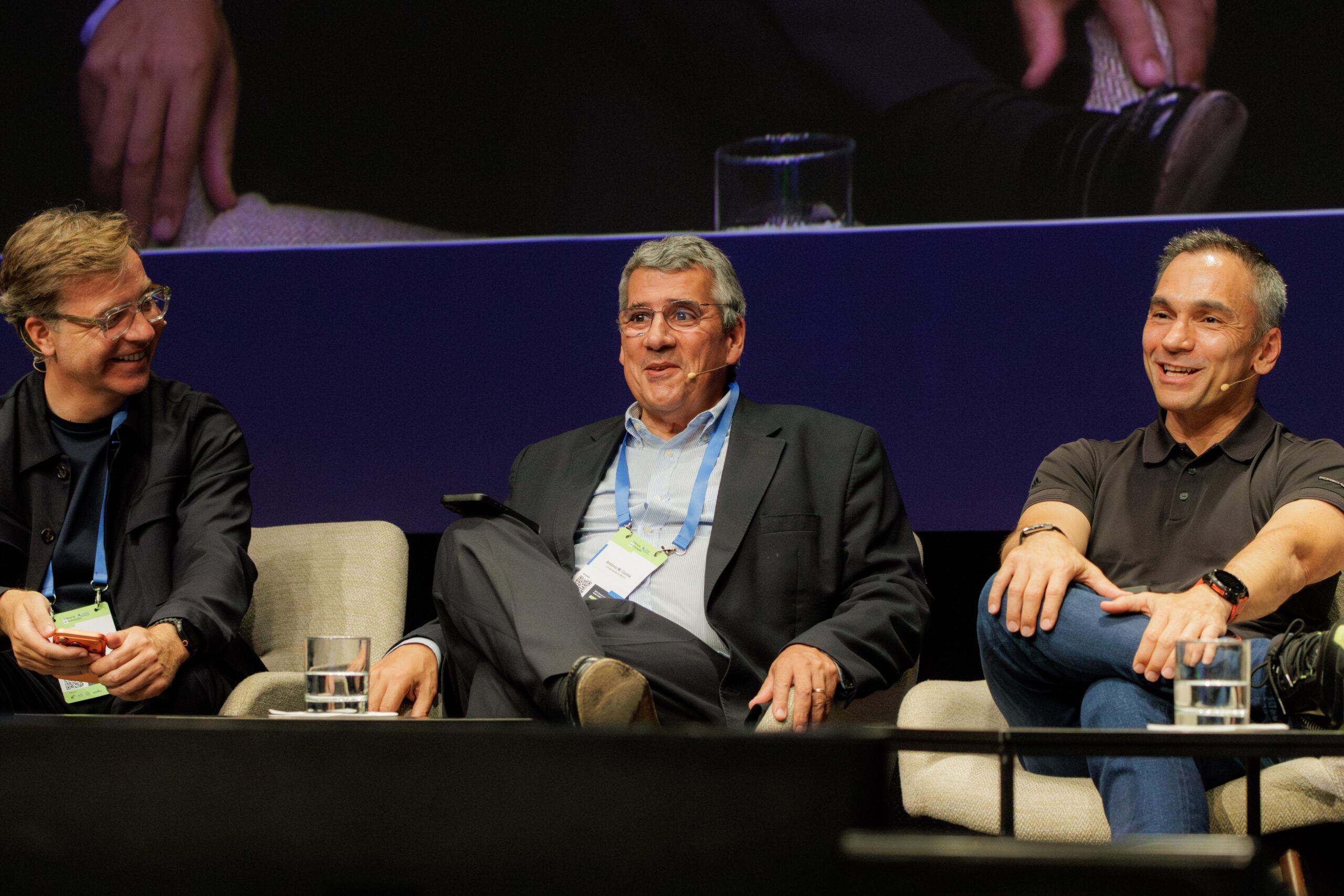
This panel discussed advancing the value chain: it is not so much about the transfer of knowledge as it is about the co-creation of knowledge between research and business.
Success stories show us which paths can lead to success with greater impact and greater value creation. In the case of Bosch and Feedzai, their commitment to viewing knowledge and research as critical factors for the company’s progress—from the very beginning—was instrumental in driving innovation and scaling up.
Portuguese talent is exceptional, and attracting and retaining talent on a large scale should be a priority, since the capacity for innovation is currently the most important challenge facing not only companies but Portuguese society as a whole.
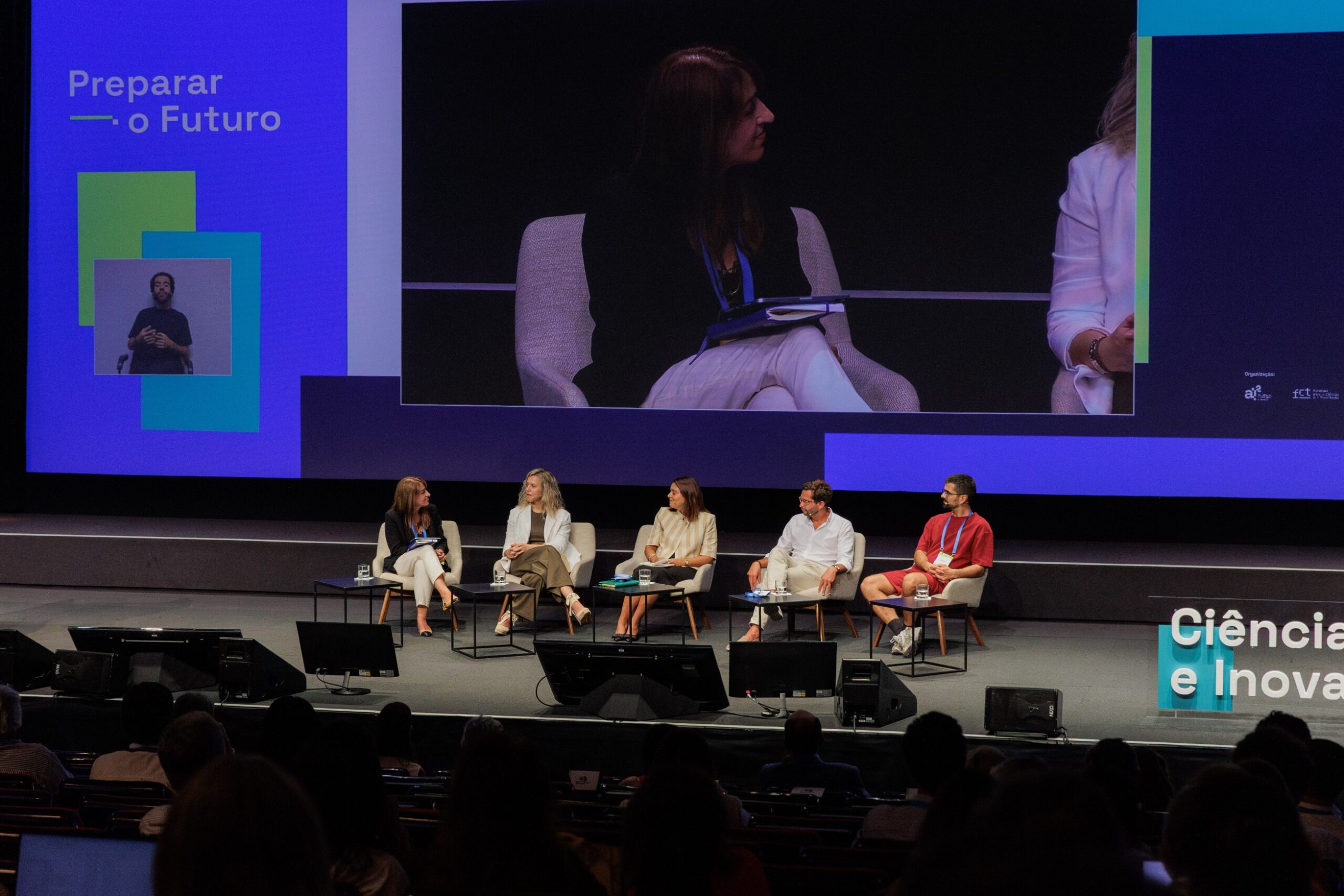
Young talents who connect the science and innovation ecosystem across regions
Summary:
Four young people who have earned or are close to earning their doctorates discussed what facilitates a fruitful connection between science and innovation. Resilience, persistence, adaptability, and the ability to transform the skills acquired through research (doctoral studies) into practical skills.
These are the key characteristics that enable researchers to make the transition and begin to have a societal impact—whether that impact is on a business or on regional development, and whether it occurs in Portugal or abroad, where they contribute to the country through new knowledge, diversity, networks, critical insights, and inspiration.
The Portuguese Research and Innovation Ecosystem for the Future
Summary:
This session focused on the new Science and Innovation Act and on the prospects for developing and strengthening the national research and innovation ecosystem.
Helena Canhão, Secretary of State for Science and Innovation
“We need more predictability, more stability, but also much greater simplification, with processes and procedures that serve the community, its needs, and society.”
João Rui Ferreira, Secretary of State for the Economy
“The economic future of countries depends, above all, on our ability to transform knowledge into value, and that is the key distinguishing and competitive factor in what the 21st-century economy will look like.”
The alignment of national and EU strategic priorities in the field of R&I
Summary:
The alignment of national and European strategic priorities in the fields of research and innovation was the key topic of this session.
The discussion focused on issues critical to the future of science, namely the reform of Portugal’s science and innovation system, the European Union’s next schedule, and the strategic priorities for research and innovation in Europe.
Fernando Alexandre, Minister of Education, Science, and Innovation
“We want to make Portugal a country that fosters talent and knowledge and transforms them into economic, social, cultural, and environmental value. We want to place education, science, and innovation at the heart of our development strategy.”
Ekaterina Zaharieva, European Commissioner for Startups, Research, and Innovation
“Europe excels at conducting research and creating startups, but it continues to struggle to help them grow and scale up. Our markets remain fragmented, and funding is still inadequate.”
From Science to the Ecosystem – Building Regional Advantages in the Innovation Economy
Summary:
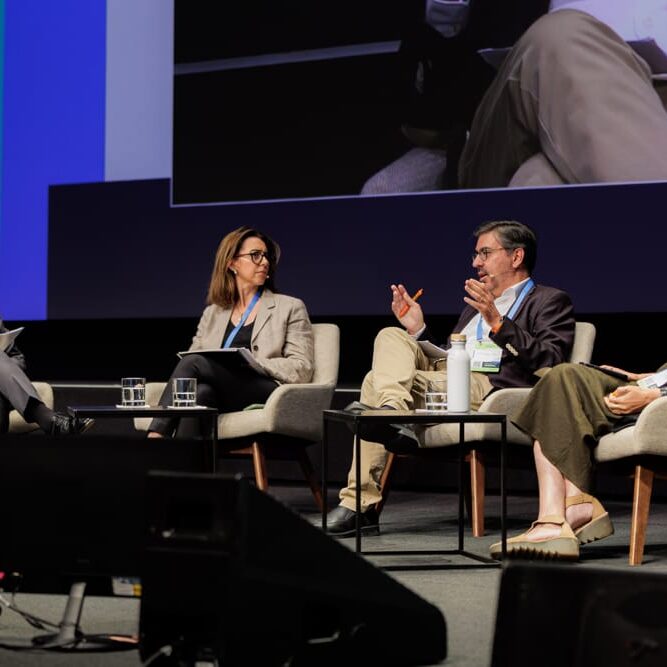
The challenge of this panel was to reflect on science, innovation, and the region. The regional dimension was a particular focus. There continue to be significant differences in the ability of regions to transform knowledge into regional development. These differences cannot be explained solely by the presence of universities and companies, but rather by the quality of the connections among all the stakeholders in the region.
The European context, centered on competitiveness, reinforces this distinction. The examples presented and discussed demonstrate that the science and innovation ecosystem must generate knowledge, translate it into strategic public policies, and channel it into territorial development.